Galle, Sri Lanka: umocnione kolonialne miasto na poludniowym wybrzezu
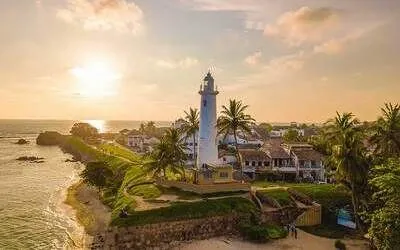
Za murami wzniesionymi przez Holendrow na portugalskich fundamentach kryje sie Fort Galle zywe miasto z listy UNESCO: brukowane uliczki, kolonialne wille zamienione na butikowe hotele i wciaz dzialajaca latarnia morska prowadzaca statki wokol tej samej rafy, ktora ksztaltuje to wybrzeze od wiekow.
Portugalskie poczatki, holenderskie fortyfikacje
Portugalczycy wybudowali tu pierwszy fort w 1588 roku, ale to Holendrzy, ktorzy przejeli kontrole w 1640 roku, wzniesli masywne granitowe mury i bastiony, ktore wciaz otaczaja starowke. Fort ponownie zmienil wlasciciela w 1796 roku, gdy Brytyjczycy przejeli Cejlon, choc w duzej mierze zachowali holenderski uklad, a nie zastapili go. Fort Galle przetrwal niszczace tsunami na Oceanie Indyjskim w 2004 roku ze znacznie mniejszymi szkodami strukturalnymi niz niemurowane okolice wokol niego fakt czesto przypisywany tym samym murom wzniesionym wieki wczesniej wobec zupelnie innego zagrozenia.
Prawdziwie zywe miasto dziedzictwo
W przeciwienstwie do wielu odrestaurowanych miejsc kolonialnych, Fort Galle nie jest eksponatem muzealnym wewnatrz murow wciaz zyje okolo 400 rodzin, obok butikowych hoteli, kawiarni i galerii w przeksztalconych holenderskich domach kupieckich. Meczety, koscioly i buddyjskie swiatynie stoja kilka ulic od siebie, odzwierciedlajac roznorodnosc placowki handlowej, ktora ksztaltowala miasto przez cztery wieki. UNESCO wpisalo fort na Liste Swiatowego Dziedzictwa w 1988 roku, uznajac go za najlepiej zachowany przyklad umocnionego kolonialnego miasta zbudowanego przez Europejczykow w Azji Poludniowej i Poludniowo Wschodniej.
Co robic w Galle
Chodzenie po murach, zajmujace okolo 90 minut w spokojnym tempie, to podstawowa atrakcja Galle mury okrazaja caly polwysep, oferujac widok na morze z jednej strony i na dachy z drugiej, najlepiej o zachodzie slonca, gdy swiatlo lagodnieje nad oceanem. Holenderski Kosciol Reformowany, stary holenderski szpital (dzis sklepy i restauracje) oraz Narodowe Muzeum Morskie uzupelniaja historyczny obraz. Waskie ulice Galle wynagradzaja powolne, bezcelowe wedrowanie bardziej niz jakakolwiek lista atrakcji: niezalezne butiki sprzedajace batik, bizuterie i antyki zajmuja przeksztalcone kolonialne witryny na terenie calego fortu, a przystanek na kawe w zacienionym dworze liczy sie tak samo, jak kazdy pojedynczy zabytek.
Praktyczne wskazowki dla zwiedzajacych
Fort Galle jest naprawde latwy do zwiedzenia pieszo i w duzej mierze bezsamochodowy wewnatrz murow, wiec zostaw pojazd na parkingu blisko wejscia i eksploruj na piechote. Brukowane uliczki i nierowne chodniki sprawiaja, ze wygodne buty sa bardziej przydatne niz cokolwiek innego, co zapakujesz. Poludniowe slonce na odslonietych murach jest intensywne; poranny lub poznopopoludniowy spacer jest duzo przyjemniejszy niz wizyta w poludnie i jednoczesnie oferuje najlepsze swiatlo do fotografii.
Pogoda w Galle
Galle lezy na poludniowo zachodnim wybrzezu, w wilgotniejszej z dwoch monsunowych stref Sri Lanki, a glowny monsun trwajacy od maja do wrzesnia przynosi najsilniejsze deszcze i wzburzone morze. Grudzien–marzec to zwykle najsuchszy, najbardziej sloneczny okres i najpopularniejszy sezon, zarowno dla fortu, jak i okolicznych plaz. Nawet w suchszych miesiacach mozliwe sa krotkie opady; kryte arkady starego holenderskiego szpitala i kilka kawiarni w forcie stanowia wygodne schronienie, jesli deszcz Cie zaskoczy.
Atrakcje w okolicy warte polaczenia
Unawatuna i Mirissa, dwie z najbardziej znanych plazowych miasteczek poludniowego wybrzeza, leza odpowiednio 15 to 30 minut i okolo godzine stad, co czyni Galle latwa, kulturalna przerwa na pol dnia podczas pobytu na plazy. Lodzie do obserwacji wielorybow wyplywaja z Mirissy w sezonie (okolo listopada to kwietnia), czesto laczone z porankiem w Forcie Galle. Koggala i Weligama, znane z rybakow na szczudlach i miejsc do surfowania, leza przy tej samej drodze wybrzezowej i odpowiadaja podroznym budujacym wolniejsza trase po poludniowym wybrzezu wokol Galle.
Gdzie sie zatrzymac
Zatrzymanie sie wewnatrz murow fortu, w jednej z wielu przeksztalconych holenderskich lub kolonialnych willi zamienionych na butikowe pensjonaty, to najbardziej nastrojowa opcja, stawiajaca kazda atrakcje w zasiegu krotkiego marszu. Pokoje tutaj sa rezerwowane z duzym wyprzedzeniem w wysokim sezonie, biorac pod uwage niewielka liczbe obiektow, ktore moze pomiescic historyczne centrum. Poza murami szersza okolica Galle i bliskie plazowe miasteczka oferuja znacznie wiekszy wybor w kazdym przedziale cenowym praktyczna opcja, jesli zakwaterowanie w forcie jest wyprzedane lub poza budzetem.
Gdzie zjesc w Galle
Fort Galle ma jedna z najlepszych scen kulinarnych na mala skale w Sri Lance, z kawiarniami i restauracjami w przeksztalconych kolonialnych budynkach serwujacymi wszystko od swiezych owocow morza i lankijskiego rice and curry do naprawde dobrej kawy, wypiekow i miedzynarodowych menu dla podroznych zatrzymujacych sie na dluzej. Po najswiezszy polow kilka restauracji zaopatruje sie bezposrednio na targu rybnym w Galle, tuz za murami fortu, a kolacja z owocami morza tutaj, zwlaszcza grillowana ryba lub krewetki, to jeden z niezawodnych punktow kulminacyjnych poludniowego wybrzeza.
Dodaj Galle do swojej trasy po poludniowym wybrzezu
Nasze prywatne wycieczki lacza Fort Galle z plazami poludniowego wybrzeza, Parkiem Narodowym Yala oraz, na dluzszych trasach, obserwacja wielorybow w Mirissie, a Twoj kierowca przewodnik zajmuje sie jazda miedzy kazdym przystankiem.
Zaplanuj wizyte w GalleWhatsAppNajwyzej oceniane wycieczki
Powiazane destynacje
Powiazane przewodniki
Gdzie zjesc
Najczesciej zadawane pytania
Ile czasu potrzeba na zobaczenie Fortu Galle?
Pol dnia wystarczy na spokojne przejscie po murach i glowne atrakcje; caly dzien lub nocleg wewnatrz fortu pozwala przegladac butiki, muzea i kawiarnie bez pospiechu.
Czy Fort Galle mozna zwiedzic pieszo, czy potrzebny jest transport wewnatrz?
Mozna go zwiedzic w calosci pieszo starowka jest niewielka i w duzej mierze przyjazna pieszym, samochody zwykle trzymaja sie na obrzezach. To jedno z najlatwiejszych historycznych miejsc na Sri Lance do samodzielnego zwiedzania bez przewodnika.
Jaka jest najlepsza pora dnia na spacer po murach Galle?
Wczesny ranek lub godzina przed zachodem slonca zarowno ze wzgledu na chlodniejsze temperatury, jak i najlepsze swiatlo nad oceanem. Poludniowe slonce na odslonietych murach jest intensywne i lepiej go unikac.
Czy moge polaczyc Galle z czasem na plazy na poludniowym wybrzezu?
Tak Unawatuna i Mirissa sa obie w odleglosci mniej niz godziny, wiec poranek w Forcie Galle zakonczony popoludniem na plazy jest czestym i latwym polaczeniem na trasach poludniowego wybrzeza.
Czy Fort Galle jest dobra baza do zwiedzania poludniowego wybrzeza?
Moze byc, szczegolnie dla podroznych, ktorzy cenia kulture i gastronomie tak samo jak plaze, choc wielu woli zatrzymac sie w bliskim plazowym miasteczku i odwiedzic Fort Galle jako wycieczke na pol dnia.