Sigiriya Lion Rock, Sri Lanka: Die Felsenfestung im Kulturdreieck
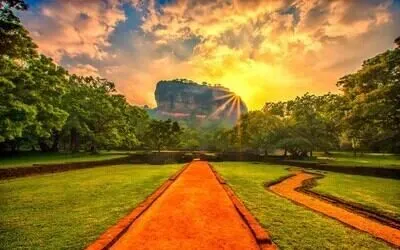
Ein 200 Meter hoher Granitfelsen, gekront von einem Konigspalast aus dem 5. Jahrhundert Sigiriya ist das meistfotografierte Wahrzeichen Sri Lankas und einer der wenigen Orte weltweit, an denen man durch das Maul eines steinernen Lowen zu einem Thronsaal uber den Wolken emporsteigt.
Ein Palast aus Angst und Ehrgeiz
Konig Kashyapa I. wahlte diesen Felsen 477 n. Chr. als Hauptstadt, nachdem er seinen Vater vom Thron gesturzt hatte und vor der Rache seines Halbbruders Moggallana floh. In nur elf Jahren verwandelten seine Baumeister den kahlen Fels in einen befestigten Lustpalast, umgeben von Wassergraben, Wallen und Garten, die noch heute exakt so funktionieren wie vor 1.500 Jahren geplant. Den Palast konnte Kashyapa nicht lange geniessen. Moggallana kehrte 495 n. Chr. mit einem Heer zuruck, und der Legende nach nahm sich Kashyapa auf dem Schlachtfeld unterhalb der Festung selbst das Leben, statt in Gefangenschaft zu geraten. Sigiriya ging danach an buddhistische Monche und wurde vom Dschungel verschluckt, bis britische Vermessungsingenieure die Ruinen im 19. Jahrhundert wiederentdeckten.
Fresken, Graffiti und die Spiegelwand
Auf halber Hohe schutzt eine Felsnische einige der originalen „Sigiriya Jungfrauen“ halbnackte, apsaraahnliche Gestalten in Mineralfarben, deren Farbintensitat nach funfzehn Jahrhunderten erstaunlich frisch wirkt. Nur ein Bruchteil der ursprunglichen Galerie ist erhalten; das meiste ging schon lange vor Beginn der Restaurierung verloren. Gleich hinter den Fresken verlauft die Spiegelwand, einst so glatt poliert, dass sie Passanten spiegelte. Besucher zwischen dem 7. und 13. Jahrhundert ritzten kurze Verse in den Stein Sri Lankas alteste erhaltene Graffiti , die die Fresken lobten oder schlicht ihren Besuch festhielten. Einige dieser Inschriften sind bis heute lesbar.
Was man in Sigiriya erleben sollte
Der Aufstieg dauert fur die meisten Besucher 60 bis 90 Minuten pro Richtung, uber Steinstufen und Metalltreppen, darunter die beruhmte Wendeltreppe, die direkt an der Felswand neben den riesigen Lowenpranken befestigt ist, die einst den Eingang flankierten. Auf dem Gipfel finden sich die Grundmauern von Kashyapas Palast, ein in den Fels gehauenes konigliches Becken und ein Panoramablick uber die Ebene. Am Fuss des Felsens sind die Wassergarten fur sich genommen eine technische Meisterleistung: symmetrische Becken, Springbrunnen, die allein durch Schwerkraft nach Regenfallen wieder sprudeln, und ein Felsgarten, der schon vor Kashyapa von Monchen zur Meditation genutzt wurde. Viele Reisende verbinden den Aufstieg mit einer Dorftour per Ochsenkarren und Katamaran oder mit einer Wildelefanten Safari in der Nahe.
Praktische Tipps fur den Besuch
Kommen Sie wenn moglich bis 6:30 to 7:00 Uhr. Die Tore offnen fruh, die Treppen sind deutlich weniger uberfullt, und man entgeht sowohl der Mittagshitze als auch dem Ansturm der Reisebusse gegen 10 to 11 Uhr. Der letzte Aufstieg bietet keinerlei Schatten, daher zahlen Hut, Wasser und festes Schuhwerk hier mehr als an fast jedem anderen Ort Sri Lankas. Der Aufstieg ist nicht schwierig, aber exponiert: Schmale Gittertreppen an einer Felswand sind kein Ort fur Hohenangst oder unbeaufsichtigte Kinder. Die Eintrittskarten fur auslandische Besucher werden an einem Ticketschalter etwas abseits des Felsens kontrolliert, und ein lizenzierter Guide am Eingang liefert Hintergrunde, die die sparlichen Infotafeln vor Ort nicht bieten.
Wetter und beste Reisezeit fur den Aufstieg
Sigiriya liegt in Sri Lankas Trockenzone und ist praktisch das ganze Jahr uber gut besteigbar; Januar bis April sind meist die trockensten und heissesten Monate. Von Oktober bis Dezember sind Nachmittagsgewitter haufig; die Felsstufen werden bei Regen rutschig, und der Gipfel wird bei Blitzgefahr gelegentlich fur Kletterer gesperrt. Unabhangig von der Saison sind die Morgenstunden ruhiger und kuhler als der Nachmittag, und das Licht auf der Felswand beim Sonnenaufgang ist fur Fotos unschlagbar.
Sehenswertes in der Umgebung
Der Hohlentempel von Dambulla liegt nur zwanzig Autominuten entfernt und lasst sich problemlos mit Sigiriya an einem Tag verbinden. Der Pidurangala Felsen direkt gegenuber bietet eine unwegsamere Kletterpartie, dafur aber wohl den besten Blick auf die Festung selbst, besonders zum Sonnenuntergang. Die Nationalparks Minneriya und Kaudulla, etwa 30 to 45 minuten nordlich, sind bekannt fur „the gathering“ grosse Herden wilder Elefanten an ihren Uferzonen, vor allem von Juli bis Oktober , wahrend Kandy fur Reisende Richtung Bergland bequem zwei Stunden sudlich liegt.
Wo man ubernachten kann
Die Stadt Sigiriya sowie die nahen Orte Habarana und Dambulla decken jedes Budget ab, von einfachen familiengefuhrten Gastehausern bis zu Boutique Lodges im Dschungel mit Pools mit Felsblick und Zeltzimmern im Safari Stil. Mehrere Unterkunfte in Habarana sind gezielt auf den Blick auf den Sigiriya Felsen vom Fruhstuckstisch oder der Dachterrasse ausgerichtet. Ein Zimmer mit Balkon Richtung Sigiriya lohnt den kleinen Aufpreis, wenn Sie am spaten Nachmittag zuruck im Hotel sind der Felsen verandert seine Farbe bei Sonnenuntergang dramatisch.
Essen rund um Sigiriya
Rice and Curry bleibt hier fast uberall die ehrliche, verlassliche Wahl ein Berg Reis mit funf oder sechs kleinen Currys, von Dhal und Roter Bete bis zu Jungle Chicken, dazu Papadam und etwas Limette. Mehrere Restaurants an der Strasse zwischen Dambulla und Sigiriya bieten Buffet Mittagessen fur Tagesausflugsgruppen praktisch, aber selten das eindrucklichste Essen der Region. Wer es ruhiger mag, findet in Habarana einige Lodges mit Abendessen im Freien mit Blick auf Reisfelder, mitunter begleitet von traditionellem Trommelspiel in der Hochsaison lohnt sich eine Vorabreservierung.
Bereit, Sigiriya zu besteigen?
Unsere privaten, klimatisierten Tagestouren verbinden Sigiriya mit dem Hohlentempel von Dambulla und optional einer Wildelefanten Safari mit einem englischsprachigen Fahrer Guide, der Fahrt, Zeitplan und Tickets ubernimmt, damit Sie sich auf den Aufstieg konzentrieren konnen.
Sigiriya Tour planenWhatsAppBesonders beliebte Touren
Verwandte Reiseziele
Verwandte Guides
Wo essen
Haufig gestellte Fragen
Wie lange dauert der Aufstieg auf den Sigiriya Felsen?
Die meisten Besucher benotigen 60 to 90 Minuten zum Gipfel und ahnlich lange fur den Abstieg, zuzuglich Zeit fur die Wassergarten am Fuss des Felsens. Planen Sie insgesamt einen halben Tag ein, wenn Sie die Garten auch in Ruhe erkunden mochten.
Ist der Aufstieg auf Sigiriya schwierig?
Es ist ein gleichmassiger, teils steiler Aufstieg uber Steinstufen und Metalltreppen, keine technische Kletterei, und fur die meisten leidlich fitten Reisenden gut zu bewaltigen. Die letzte offene Wendeltreppe und die exponierten Gipfelabschnitte sind die Stellen, die Besucher mit Hohenangst am meisten fordern.
Sigiriya oder Pidurangala was sollte ich besteigen?
Sigiriya bietet die Fresken, die Lowenpranken und die Palastruinen; Pidurangala ist eine kurzere, unwegsamere Kletterpartie mit dem besten Foto auf den Sigiriya Felsen selbst, besonders zum Sonnenuntergang. Wer zwei Tage Zeit hat, kombiniert oft beides.
Wie hoch ist der Eintritt fur Sigiriya?
Auslandische Besucher zahlen einen separaten, hoheren Eintrittspreis als Einheimische, zahlbar in USD oder LKR am Ticketschalter. Die Preise werden vom Central Cultural Fund regelmassig angepasst der aktuelle Betrag lasst sich am besten vorab bei Ihrem Fahrer Guide erfragen.
Lasst sich Sigiriya als Tagesausflug besuchen?
Ja Sigiriya ist ein beliebter privater Tagesausflug von Kandy, Habarana, Dambulla oder sogar Negombo aus, meist kombiniert mit dem Hohlentempel von Dambulla und, je nach Programm, einer Wildelefanten Safari in Minneriya oder Kaudulla.