Ella Sri Lanka: Nine Arch Bridge, Train Ride and Hill Country Views
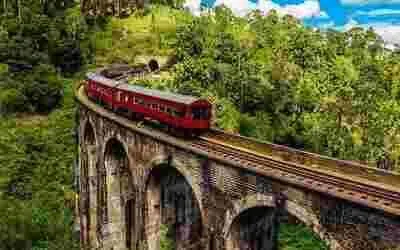
Ella is the hill-country stop travellers extend for: the Nine Arch Bridge, the Kandy to Ella train ride through tea estates, and cool mountain air that makes Little Adam’s Peak and Ella Rock worth an extra day.
From colonial plantation outpost to hill country favourite
Ella grew up in the shadow of British era tea planting, when the surrounding slopes were cleared of forest and replanted with the neat contour rows of tea bush still seen today. The town itself stayed small and sleepy long after independence, known mainly to planters and passing rail traffic on the line built to move tea chests down to the coast. It only became a fixture on the traveller trail in the last two decades, as word spread about the views from Ella Gap and the engineering feat of the Nine Arch Bridge. What was once a one street village is now a genuine hill station town, though it has largely kept its relaxed, walkable scale.
Tamil, Sinhalese and planter heritage side by side
The tea industry that shaped Ella also shaped its population: many families working the surrounding estates trace their roots to Tamil workers brought from South India in the 19th century, and Hindu kovils sit within walking distance of Buddhist temples and a small Anglican church built for planter families. A visit to a working tea factory here most offer short, informal tours is as much social history as agriculture: you see the same withering, rolling and firing process used since colonial times, now run largely by the descendants of the original plantation workforce.
Nine Arch Bridge, train ride and what to do in Ella
The Nine Arch Bridge is the postcard shot everyone comes for a curved stone viaduct with no steel reinforcement at all, best seen (or better, walked across between trains) in the early morning light. Little Adam’s Peak is a gentler alternative to its famous namesake, a 45–60 minute climb rewarded with a 360-degree view over the valley and tea estates. Ella Rock is the more serious hike of the two, three to four hours round trip through active tea plantations with a local guide recommended, since the trail crosses estate land and isn’t always clearly marked. Ravana Falls, a short tuk-tuk ride away, is an easy add-on, especially after rain when the falls run at full force.
Practical tips for visiting
The scenic train journey between Ella and Kandy (or Ella and Nuwara Eliya) is one of the most photographed rail routes in Asia, and reserved second class seats sell out weeks ahead in high season book as early as your dates allow, or travel by private car and simply stop wherever the view demands it. Ella sits at roughly 1,000 metres, so evenings are genuinely cool; pack a light jacket even in the dry season. Distances in town are short enough to walk, but the roads to Little Adam’s Peak, Ella Rock and the viewpoints have no real footpaths, so wear shoes with grip rather than sandals.
Weather in Ella
Ella’s hill country climate is noticeably cooler and greener than the coast or the Cultural Triangle year round, with the driest, clearest spells typically from January to April. Mist frequently rolls into the valley in the afternoon, which can make for beautiful, moody photographs but occasionally obscures the classic Nine Arch Bridge view. Rain is possible in any month; a light waterproof is worth packing regardless of season, since afternoon showers can arrive with little warning at this elevation.
Nearby attractions worth combining
Yala National Park is roughly a two hour drive south east, making an early morning safari followed by an afternoon in Ella an efficient combination for travellers short on time. Nuwara Eliya, Sri Lanka’s highest town and its most vivid tea country, is around two to three hours by road or a scenic train ride away. Diyaluma Falls, one of the country’s tallest waterfalls, and the Uda Walawe elephant viewing park are both reachable as half day or full day excursions from Ella for travellers with an extra day to spare.
Where to stay
Ella’s accommodation is heavily view driven: many guesthouses and mid range hotels are built into the hillside specifically to frame Ella Gap or the surrounding tea estates from the breakfast table. Budget travellers are well served by family run homestays in the centre of town, an easy walk from restaurants and the railway station. For a quieter stay, a handful of properties sit a short tuk tuk ride outside town on working tea estates, trading a little convenience for genuine plantation surroundings and total quiet at night.
Eating in Ella
Ella’s traveller friendly food scene is more varied than most hill country towns, with rooftop restaurants serving Sri Lankan rice and curry alongside pizza, pasta and good espresso for those craving a change from the road. Fresh, locally grown vegetables and the region’s cooler climate make salads and soups genuinely worth ordering here, unlike in the hotter lowlands. Don’t skip a proper cup of tea while you’re here: several cafes serve estate fresh tea brewed the traditional way, and it tastes noticeably different from what reaches export markets.
Plan your time in Ella
Our private tours include Ella as a hill country stop on multi day itineraries, with your chauffeur guide timing the drive around the scenic train, tea factory visits and the best light for the Nine Arch Bridge.
Build your Ella itineraryWhatsAppHighly Rated Tours
Related destinations
Related guides
Where to eat
Frequently Asked Questions
Is the train from Kandy to Ella worth it?
Yes, for most travellers it is the line climbs through tea estates, tunnels and viaducts with views that are hard to match by road. Book a reserved seat well in advance in high season, or be prepared to stand or sit in an unreserved carriage.
How many days should I spend in Ella?
Two full days lets you see the Nine Arch Bridge, hike Little Adam’s Peak or Ella Rock, and visit a tea factory without rushing. Add a third day if you want to combine Ella with Diyaluma Falls or an early Yala safari.
Is Ella Rock hike difficult?
It is more demanding than Little Adam’s Peak three to four hours round trip with some steep, unmarked sections through tea estate land so a local guide and proper shoes are recommended rather than optional.
What is the best time to visit Ella?
January to April generally brings the clearest skies and driest trails, though Ella’s elevation keeps it cooler and greener than the coast at any time of year, and short afternoon showers are possible in every month.
Can I visit Ella and Yala on the same trip?
Yes Yala is around two hours from Ella by private vehicle, so many itineraries pair a Yala morning safari with an Ella afternoon, or base in Ella for two nights and add a full day Yala excursion.
What to do in Ella besides the train?
Things to do in ella: Nine Arch Bridge, Little Adam’s Peak or ella rock, tea factory, then ella to yala national park if you want a safari the next morning. Sri lanka train from kandy to ella is the classic arrival.